
Congress President
The 30th Annual Meeting of the Japanese Association for Coronary Artery Surgery
Division of Cardiovascular Surgery, Department of Surgery
Kobe University Graduate School of Medicine
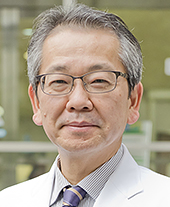
It is my great honor and privilege to welcome you to the 30th Annual Meeting of the Japanese Association for Coronary Artery Surgery, hosted by the Department of Cardiovascular Surgery at Kobe University. I am delighted to invite colleagues from across Japan and around the world to gather in the historic city of Himeji for this milestone meeting.
Kobe University last had the privilege of hosting this society in 1997, when Professor Masayoshi Okada chaired the 2nd Annual Scientific Meeting. Our institution also shares a profound historical connection with the development of coronary artery surgery in Japan. In 1970, Professor Sakae Asada, Professor Emeritus of Kobe University, performed the first coronary artery bypass grafting (CABG) procedure in Japan using a saphenous vein graft. Since that pioneering achievement, coronary surgery in Japan has evolved remarkably through both scientific innovation and clinical excellence, with significant contributions arising from the Himeji region, which continues to play an important role in this field.
Over the past decades, coronary artery bypass surgery in Japan has advanced dramatically. These achievements include the standardization of off-pump coronary artery bypass (OPCAB), the introduction of skeletonized internal mammary artery harvesting using harmonic devices, the expanded use of bilateral internal thoracic arteries, and the development of the aorta no-touch technique using the gastroepiploic artery. In parallel, innovations in intraoperative graft assessment and the growing use of functional ischemia evaluation—in addition to anatomical assessment of coronary lesions—have contributed to substantial improvements in long-term outcomes.
The theme of this meeting is “Coronary Surgery in the Era of Minimally Invasive Therapy.” Coronary surgery continues to evolve with advances in off-pump techniques, minimally invasive approaches, and robotic-assisted surgery, and further innovations are anticipated in the years ahead. At the same time, surrounding therapeutic options have expanded, and clinical decision-making increasingly requires careful comparison between surgical and transcatheter strategies.
These evolving treatment strategies highlight the growing importance of multidisciplinary heart-team decision making in the management of coronary artery disease. We therefore warmly welcome our colleagues in cardiology to participate actively in these discussions.
Equally important is the education of the next generation of surgeons. Coronary anastomosis has long been considered a gateway procedure for young cardiovascular surgeons, and our society has actively supported training initiatives, simulation technologies, and opportunities for technical exchange. During this meeting, we plan to host a surgical competition, where young surgeons will present their institution’s unique approach to LAD anastomosis and showcase their own fine work, whether in operative technique or perioperative management.
Himeji city, where the conference will be held, is only 15 minutes away from Kobe by Shinkansen bullet train and is home to the beautiful Himeji Castle, a World Heritage Site.
Although it is already hot in Japan in early July, we look forward to your active participation. We look forward to seeing you in Himeji.
Secretariat office : Kyodo Plus Co., Ltd. Address: 20-110 Tatsumi, Kita Ward, Okayama City, Okayama Prefecture 700-0976
TEL:086-250-7681 FAX:086-250-7682 E-mail:jacas30@kwcs.jp
Operations Office: Kyodo Plus Co., Ltd. Address: 20-110 Tatsumi, Kita Ward, Okayama City, Okayama Prefecture 700-0976
TEL:086-250-7681 FAX:086-250-7682 E-mail:jacas30@kwcs.jp